San Antonio sits at the crossroads of Texas trade. Freight rolls up from Laredo and Pharr, peels off I‑10 from the Gulf and the West, and feeds growing neighborhoods from Alamo Ranch to New Braunfels. That mix of long-haul linehauls and suburban delivery windows creates a familiar problem for shippers and carriers: too many touches, not enough time. Cross-docking solves a big part of that. Done right, it gets freight off the road and back on the road faster, trims detention and dwell, and keeps temperature‑sensitive product within spec during the hottest stretches of the year.
I have moved everything from palletized beverages to mixed‑temp foodservice loads through San Antonio facilities. The difference between a good cross dock and an average one shows up before sunrise, when the first inbound backs into a door and a crew that knows the plan meets it with scanners humming. This article breaks down how cross dock operations fit San Antonio’s freight flow, where cold chain and temperature-controlled storage make or break service, and what to look for when you search for a cross dock near me or a cross dock warehouse that can handle both dry and refrigerated product.
What cross-docking really means in practice
Cross-docking is the transfer of product from inbound trailers to outbound trailers or vehicles with little or no storage time in between. In San Antonio, that might look like a 53‑foot truck arriving from McAllen with mixed produce at 34°F, staged by stop, then reloaded into several smaller reefers for final mile delivery services across Bexar and Comal counties. It could also be a general merchandise linehaul arriving from Houston at midnight, then split onto five routes feeding big box stores in the Hill Country before lunch.
Two details matter more than any definition on paper. First, time on the dock should be measured in minutes and hours, not days. Second, the building must be set up to match the flow of freight: the right number of doors, adequate staging lanes, good visibility to appointments, and enough trained labor to handle inbound peaks. When outbound departures sit within two to four hours of inbound arrivals, you’re using cross-docking as intended.
Why San Antonio benefits from cross-dock density
The Alamo City is a bridge market. Freight moves through it on the way to Austin and Dallas, but San Antonio has its own fast‑growing consumption and manufacturing base. That mix creates unique volume ramps: weekend retail pushes, Monday grocery surges, and midweek vendor replenishment. Cross-docking helps in several ways.
First, it evens out transportation inefficiency. Instead of five half‑empty trailers attempting to hit different store windows, a cross dock consolidates into two full trailers with tightly staged stop order. Second, it safeguards transit times from the border. Loads delayed at the bridge still have a shot at same‑day delivery if a cross dock can receive, rework, and dispatch within a short window. Third, it reduces yard congestion and detention. Drivers who drop, turn, and go keep the network fluid.
The climate adds another reason. Summer in South Texas punishes poorly insulated freight and sloppy handling. Temperature‑controlled storage and fast turn cross-docking reduce exposure. A refrigerated cross dock with proper airflow, partitioned rooms, and dock seals can keep food and pharmaceuticals compliant even when the thermometer reads triple digits.
Cold storage and temperature‑controlled transfer, not an afterthought
Plenty of operations advertise cold storage or refrigerated storage. Fewer have the small design choices that make temperature-controlled storage actually work for quick cross‑dock turns. When you walk a facility, check the door seals, the insulation at dock level, and the shortest path between cold rooms and outbound doors. A clever floor plan might place refrigerated staging between two banks of doors, allowing inbound to enter one side and outbound to leave the other without crossing warm zones.
In San Antonio, the most useful configurations I’ve seen pair a 34°F cooler with a 0°F freezer and a temp‑flex corridor that can stabilize at 45°F for produce that tolerates slightly warmer air. Not every cross dock needs a 0°F box, but a dedicated refrigerated storage zone is crucial if outbound schedules slip. You want the buffer. Two hours becomes five in a blink if a receiver changes a delivery window or a driver calls in sick. Temperature-controlled storage san antonio tx options that can safely hold a handful of pallets without racking the entire building keep product safe and FSMA compliant.
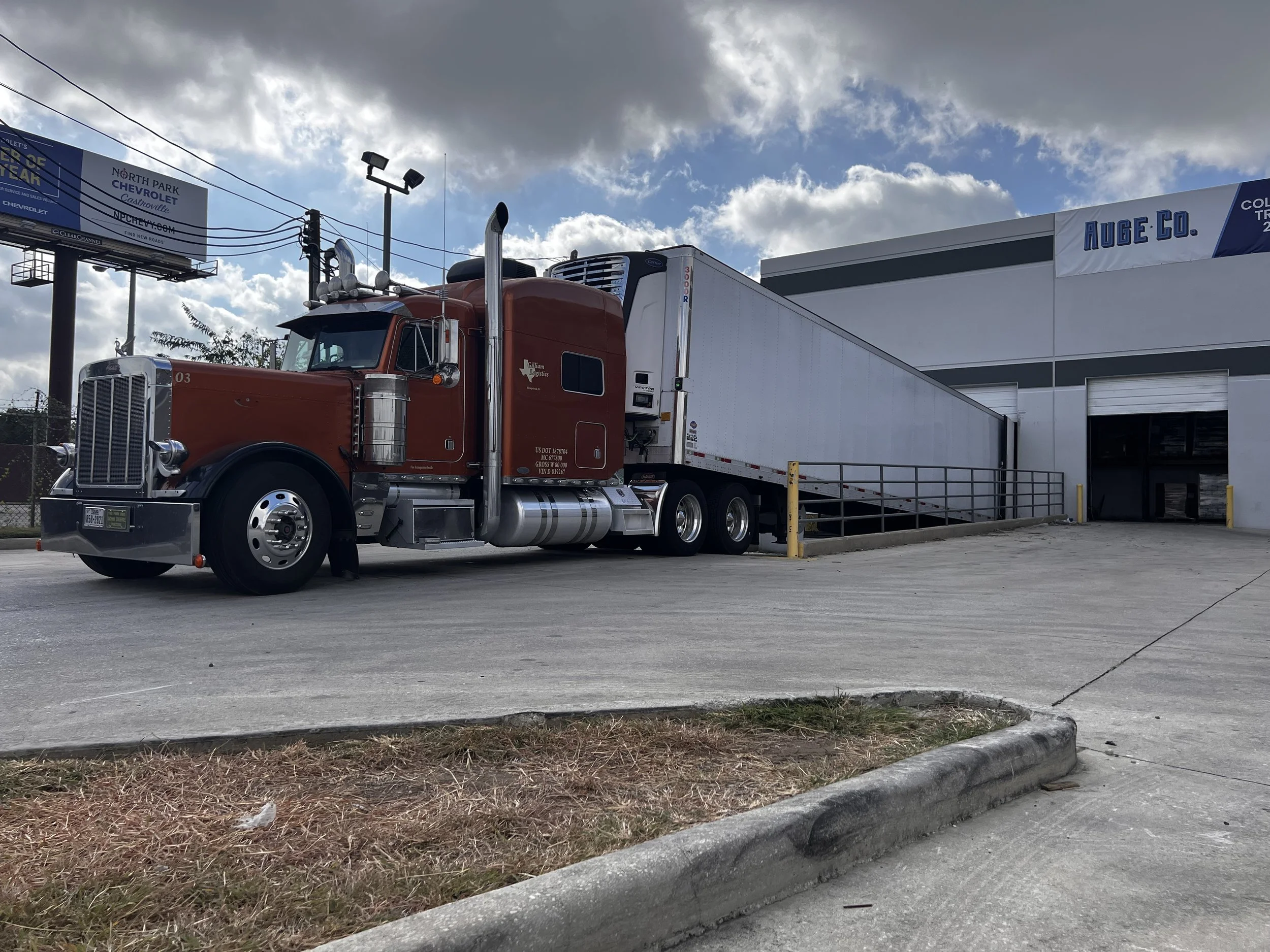
For customers searching cold storage near me or cold storage warehouse near me, remember that static storage and cross‑dock support are different competencies. A cold storage warehouse might be optimized for long‑term inventory with deep lanes and limited door space, while a cross dock warehouse lives and dies by door turns and staging speed. Neither is better in the abstract, but the right tool for the job saves money and protects product. If you need refrigerated storage san antonio tx as a contingency for out‑of‑sequence deliveries, make sure the provider maintains HACCP plans, mapped airflow, and real‑time temp monitoring with alerts that reach a human who can respond at 2 a.m.
Anatomy of a well-run cross dock warehouse
I judge a cross dock warehouse by what happens in the first 20 minutes after a trailer hits a door. A good crew checks the BOL against the ASN, scans every pallet, and splits the load by outbound route while a lead updates the dock schedule. Pallets should move no more than 50 to 70 feet before landing in outbound queues. Mixed‑stop pallets get rebuilt with short edges out and clear labeling visible from both sides. If the operation handles temperature‑controlled freight, you should feel the climate difference as you step from the ambient zone to the cooler and see strip curtains or high‑speed doors minimizing exchange.
Two back‑of‑house systems make all of that smoother. First, a WMS or lightweight cross‑dock module that can ingest EDI 214/944 messages and print scannable labels with stop order. Second, appointment discipline. If the facility keeps a tight cadence on door assignments and posts reality, not theory, on a visible board, drivers line up correctly and dwell drops. In San Antonio, where many linehauls roll in from the border later than planned, the discipline to triage and resequence while protecting cold chain separates pros from a warehouse that simply has a lot of doors.

Labor is the quiet variable. Cross-docking needs nimble crews who can pivot when an inbound SKU count is off or a pallet arrives leaning. I would rather have a slightly smaller facility with a strong lead and four reliable associates than a cavernous building with inconsistent temps and temp labor. When turnover rises, error rates rise. Food shippers notice first.
Cross dock near me: siting choices across San Antonio
Location matters less than process, but the wrong location handicaps even a well‑run operation. In San Antonio, three clusters tend to serve cross‑dock demand. The I‑35 North corridor provides quick access to Austin and the Hill Country, the I‑10 East area covers Houston‑bound interchanges and the industrial east side, and the southwest near I‑35 and Loop 410 offers a straight shot to Laredo‑origin freight.
If your outbound footprint leans toward retail in New Braunfels and Schertz, the north side saves an hour daily in empty miles. If you service foodservice accounts from downtown through Stone Oak, a central location near Loop 410 and I‑10 north balances reach and congestion risk. For border‑driven cross‑border freight, staying south and west reduces uncertainty when linehauls hit town close to the wire on HOS.
Parking and yard flow also affect your day. A cross dock warehouse near me that shares a congested cul‑de‑sac with three other operators will create detention even with the best intentions. Look for a site with separate in and out gates, enough apron depth to avoid blindside backs, and a staging yard that can handle at least two hours of peak inbound volume.
Final mile delivery services in the Alamo City
Cross-docking earns its keep when paired with reliable last‑mile capacity. Final mile delivery services often run five or six days a week, with retailers pushing weekend drops and healthcare and foodservice leaning on weekday windows. In San Antonio, traffic tides around Loop 1604 and I‑10 can ruin a route plan if you leave the dock late. The best cross dock operations build their day backward from the final mile delivery services anchor stops: time‑definitive windows at big box retailers, school districts, or medical centers.
If you rely on final mile delivery services antonio tx for temperature‑sensitive product, ask how they maintain the chain beyond the dock. Do they use insulated blankets for partial pallets, validated reefer set‑point logs, and loading checklists to keep 0°F product away from 34°F produce? A clean dock means little if the last five miles break spec. Some operations will stage routes in a 45°F zone for fifteen minutes before dispatch to stabilize surface temps. That habit can shrink shrink.
Routing technology helps, but the best fix is accurate volume planning 24 hours ahead. If your shipper can send a firm count by noon the day prior, your cross dock can match driver shifts to routes. When counts slip to 5 p.m., crews scramble, mistakes creep in, and you pay for another hour of OT.
Where cold storage and cross‑dock meet compliance
Food and pharma shippers care about traceability and temperature records more than your claims about speed. A cross dock that handles refrigerated storage or short‑term temperature‑controlled storage needs documented SOPs, sanitation logs, pest control, and calibration records for thermometers and data loggers. If you are evaluating cold storage san antonio tx options for a cross‑dock‑adjacent buffer, request sample temp charts for one of the hottest weeks of the previous summer. Ask how they handle door discipline in August when outside air hits 105°F. Look for seals that engage and retract quickly, floor drains that keep water from pooling in staging, and fans positioned so airflow doesn’t desiccate produce.
I learned to ask about power redundancy the hard way. A storm knocked out a facility overnight. The operator had generators for the office, not the cooler. By morning, a dozen pallets were at risk. Now, when someone markets temperature‑controlled storage san antonio tx with cross‑dock capability, I want to see the generator spec and the fuel agreement.
Economics: where cross-docking saves, where it doesn’t
Cross-docking should lower touch costs and shorten order cycle time. Savings typically show up in three places: reduced linehaul count due to consolidation, lower last‑mile miles per stop due to route density, and fewer accessorials for detention and layovers. In San Antonio, a shipper running three half‑full reefers into the city six days a week might cut that to two full reefers, then distribute via three local routes each morning. The math pencils out when inbound volumes are predictable enough to build consistent lanes and the cross dock turns quickly.
It doesn’t always pay. If your volumes are lumpy, SKUs extremely varied, or delivery windows tight but scattered, the extra touch at a cross dock can add complexity without net savings. One CPG client tried to cross‑dock weekly promotional end‑caps with mixed displays. The rebuild time and mispicks wiped out any transportation gains. We reverted to direct drop for those lanes and left the cross dock for steady, repeatable replenishment moves.
A fair baseline: if inbound volume allows you to run at least two consistently full outbound routes per day and your dock can turn in under three hours with less than 1 percent error, cross-docking likely improves cost and service. If not, pilot on one lane, measure, and adjust.
Technology that pays its rent
Tools are only as good as adoption. That said, a few technologies return value reliably in cross dock san antonio tx operations.
- Mobile scanning with real‑time reconciliation. If every pallet or case gets scanned on arrival and departure, you cut claims and missing‑piece hunts dramatically. Temperature telemetry with alerts. A simple, cellular logger that texts a supervisor when cooler temps drift saves thousands on a single hot day.
Beyond that, dock scheduling software that drivers actually use reduces parking lot chaos. EDI integrations with major retailers streamline ASN approvals. For operations running both dry and cold, zone‑specific dashboards keep teams from missing a temp drift while chasing a hot load on the dry side.
The human factor: partnerships and promises
Shippers sometimes treat a cross dock like a black box. Freight goes in, freight comes out. The better way is to treat the operator like an extension of your team. Share forecasts a week out, firm counts 24 hours out, and any changes as soon as you know them. Align on service metrics: on‑time to dock, on‑time out, damage rate, temperature compliance, and proof of delivery recovery speed.
One grocer we supported wanted photos of every outbound pallet before the trailer sealed. That took two minutes per route and cut disputes by half. Another shipper balked at paying for after‑hours labor, then demanded 2 a.m. turnarounds on Fridays. That never ends well. Agree on what emergencies look like and what they cost.
You learn a lot from a site visit. Talk to the night shift lead, not just sales. Ask what happens when three linehauls arrive within 30 minutes, two with different temp zones. If you get a clear, confident answer that matches what you see on the floor, you likely found a partner.
When customers search, what they actually need
People type cross dock near me or cross dock warehouse near me when they have a problem to solve. Maybe they have a trailer stuck with a failed delivery and need a place to rework, or they want a steady partner to handle daily inbound from the border. Others type cold storage warehouse because they think they need long‑term space when the real need is a one‑day temperature buffer between inbound and outbound. Clarify the job. If the need is final mile delivery services with quick turns, you want a cross dock first and cold storage as a support. If you are repositioning seasonal inventory for a month, you want cold storage facilities and a different service plan.
Practical checks before you commit
Here is a short, field‑tested checklist that saves time when vetting providers in San Antonio.
- Walk the dock at the hour you plan to use it. Night smells different than noon, and you will see the real cadence. Verify temperature zones with a calibrated reader, not just a wall display. Watch a full cycle: inbound arrival to outbound seal, including scanning and labeling. Ask for a week of appointment logs and dwell times. Match them to what you observed. Confirm after‑hours escalation paths and power backup for any refrigerated storage.
Edge cases that trip up even good operations
San Antonio’s freight mix throws curveballs. Produce arrivals with mixed ripeness need different temperature targets than the paperwork states. Wine in summer might arrive at 75°F and should not be slammed into a 34°F cooler without stabilization. A carrier might show up with a straight truck and no liftgate for a consignee that only has a ramp. These details derail plans unless someone owns the exception list and the facility maintains a stash of the simple fixes: slip sheets, extra corner boards, pallet jacks with long forks, a scale that works, and a quiet place to rebuild a leaning pallet without blocking a door.
Papergoods and beverages build tall and heavy. If the dock floor isn’t level or the staging zone has expansion joints that catch wheels, you’ll see topples. The best operations mark no‑stage lanes clearly and keep aisle widths wide enough for two jacks to pass without a joust.
Sustainability and fuel spent versus miles saved
Cross-docking can cut emissions because it increases route density and reduces empty miles. But idling reefers at a dock door negate some of that. Look for facilities with proper seals and fast turn practices so reefers can switch off at the dock. Some San Antonio warehouses run electric stand‑alone coolers for staging, which helps. If you care about sustainability metrics, ask your partner to report kWh and diesel used per pallet handled. The numbers help you improve practices over time.
What a realistic startup looks like
Bringing a new cross dock online for your freight takes a couple of weeks when done thoughtfully. Week one is process mapping: inbound volumes by day and hour, temperature requirements, labeling standards, and appointment windows. Week two is a controlled pilot with one or two lanes. Expect misscans and a few label hiccups early. The key is quick feedback loops. In San Antonio, where border‑origin schedules flex, build a buffer schedule for the first month. As stability grows, you can tighten SLAs.
I once watched a program go from 9 percent late deliveries to under 2 percent in three weeks using simple changes: moving a high‑volume inbound to a door closer to the coolers, color‑coding stop cold storage warehouse near me augecoldstorage.com labels for the final mile team, and adding a backup printer on night shift. None of that required a new building. It required attention.
Bringing it together
San Antonio’s freight reality rewards cross‑docking that respects time and temperature. A capable cross dock warehouse turns doors quickly, protects the cold chain with real temperature‑controlled storage, and syncs those efforts with final mile delivery services that know the city’s rhythms. Whether you are searching for cross dock san antonio tx to rescue a delayed load or building a steady flow with daily turns, match the operation to your product and windows, not the other way around.
Use the building that treats minutes and degrees like money, because they are. And when you find a partner that can show you clean logs, quick cycles, and crews who take pride in a square, labeled pallet headed to the right door at the right time, you can stop searching and start shipping.